

Chiropractor for Lower Back Pain
The back that locks up when you stand from your desk, tweaks on a deadlift, or has simply ached for months.
By Dr. Abby Dante, DC NY License #013032 Last updated

Should I see a chiropractor for lower back pain?
For most lower back pain, a chiropractor is a reasonable first choice. Most of it is mechanical: it comes from the joints, discs and muscles of the back, it changes with position and movement, and it isn't a sign of damage that needs a scan or surgery. Hands-on care combined with exercise and staying active is what we recommend for it, and that is what a visit here consists of.
A chiropractor is the wrong first stop if your back pain follows a serious fall or accident, comes with fever, unexplained weight loss, or changes in bladder or bowel control, or comes with a leg that is going weak or numb. Those need a medical doctor first. And if your pain mostly runs down the leg, below the knee, you want our sciatica page rather than this one.

Why does my lower back hurt?
Usually not because something is "out". Backs are strong, and pain is more often about sensitivity and load than about damage. The patterns we hear most:
The desk back
Stiff and achy after sitting, worst on standing up, better once you've walked around. Sitting isn't dangerous. Staying in any one position for hours is what backs dislike. The fix is rarely a perfect chair. It is more movement, more often, and a back and hips strong enough to make sitting a non-event.
The gym or yard-work tweak
A sudden grab on a deadlift, a squat, a shovel or a suitcase, then a back that feels locked and leans to one side. It's alarming and it's usually a protective spasm, not a catastrophe. These tend to settle well, and the important part is what comes after: getting back to lifting, because avoiding it is what makes the next tweak more likely.
The one that never quite leaves
Months or years of on-and-off pain, several rounds of rest, maybe a scan that showed "degeneration" or a "bulge". Those findings are common in people with no pain at all, and they describe age more than they predict your future. Persistent back pain usually needs a gradual, patient build-up of what your back can tolerate, more than it needs another thing done to it.
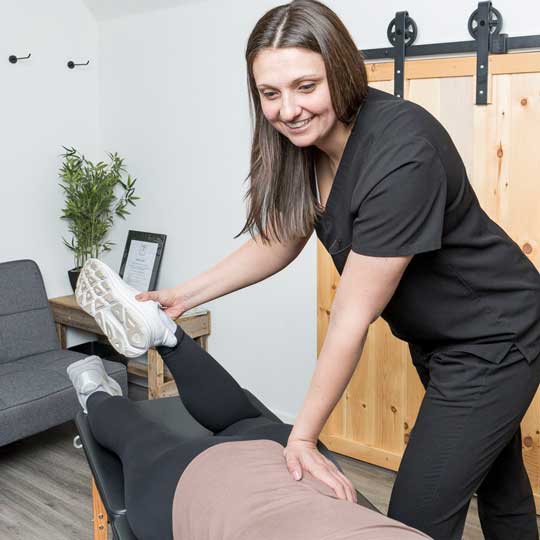
What does a chiropractor do for lower back pain?
- We listen first: how it started, what eases it, what flares it, what you've stopped doing because of it.
- We watch you move. Bending, arching, hinging at the hips, squatting, getting up from a chair. We analyze your movement patterns and identify potential pain generators, and we screen for anything that shouldn't be treated here.
- Hands-on treatment. What manual therapy involves: soft tissue work, joint mobilizations and chiropractic adjustments. An adjustment can give quick relief for a locked-up back. It's a way of opening a window, not the fix itself, and it's always optional.
- Movement in the same visit. While it feels better, we get you doing what it wouldn't let you do: bending, hinging, lifting something light.
- An exercise prescription to take home. Simple, realistic, and specific to you and your goals.
Rest or movement?
Movement. A day or two of taking it easy after an acute tweak is fine, but longer bed rest slows recovery. Walk. Change position often. Keep doing the parts of your routine you can do, and scale the rest instead of stopping it.
What about an X-ray or MRI?
A scan is one piece of the puzzle (Dr. Abby explains what an MRI can and can't tell you about back pain), and if your history or exam suggests you do need imaging, we'll tell you and point you to the right provider.
We won't promise a number of visits or a timeline before we've examined you.

When should I see a doctor instead?
- Back pain after a significant fall, a car accident or another major impact
- Loss of bladder or bowel control, or numbness in the groin or saddle area: go to the emergency room
- Weakness, numbness or tingling in a leg that is new or getting worse
- Fever, unexplained weight loss, or a history of cancer
- Pain that is constant, worse at night and not changed by position or movement
- Back pain with pain in the abdomen or when urinating, which may not be a back problem at all
Not sure whether you need a chiropractor or a physical therapist? Either can be a good choice for this, and we explain how to decide in chiropractor vs physical therapy for lower back pain. If the pain came from a lift or a game, the plan follows our sports injury rehab stages; if it shows up late in long runs, see chiropractor for runners.
Where to find us
Our Islandia office is on Veterans Memorial Highway, next door to Hauppauge and a short drive from Smithtown and Commack. It's open Monday to Friday 8am to 8pm and Saturday 7am to 1pm, so you can come before or after work. We also see patients in Quogue. Addresses, directions and hours are in the location section of our homepage.
You'll be seen one-on-one by Dr. Abby Dante or Dr. Dave Atlas; their training and licenses are here. Call or text 631-212-2996 to schedule.

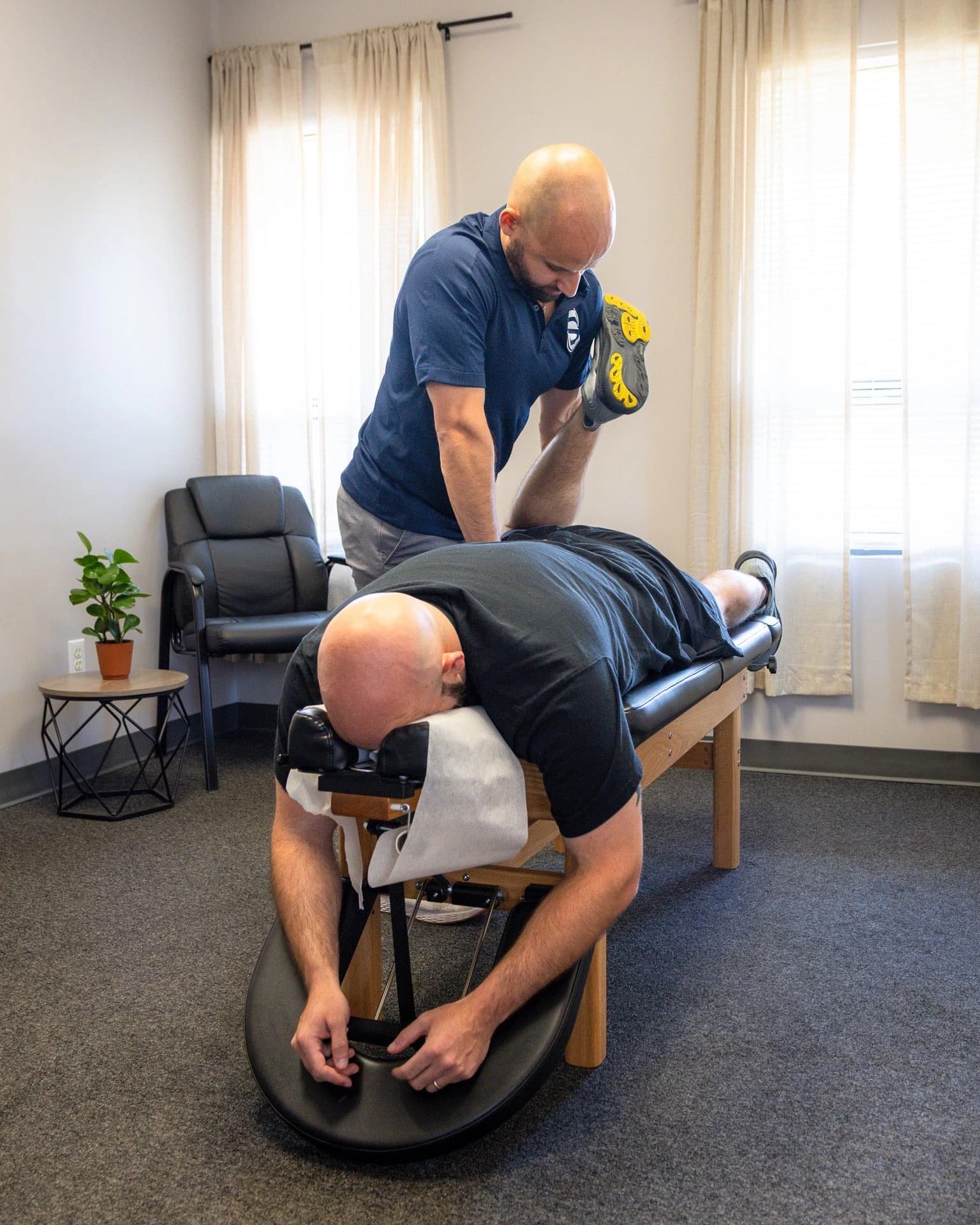
Book an appointment
I’m excited to work with you! Please call us at 631-212-2996 to get started.