March in place
1 minute- Stand tall and march, lifting the knees to a comfortable height.
- Swing the arms naturally.
Gets the blood moving and the legs ready for quick steps.


Sore elbow from the paddle, a tweaked back from bending for dinks, a calf or knee that complains after a long morning of doubles. Here's what to do about it, when to see a physician first, and how to get back on the court.
By Dr. Abby Dante, DC Last updated
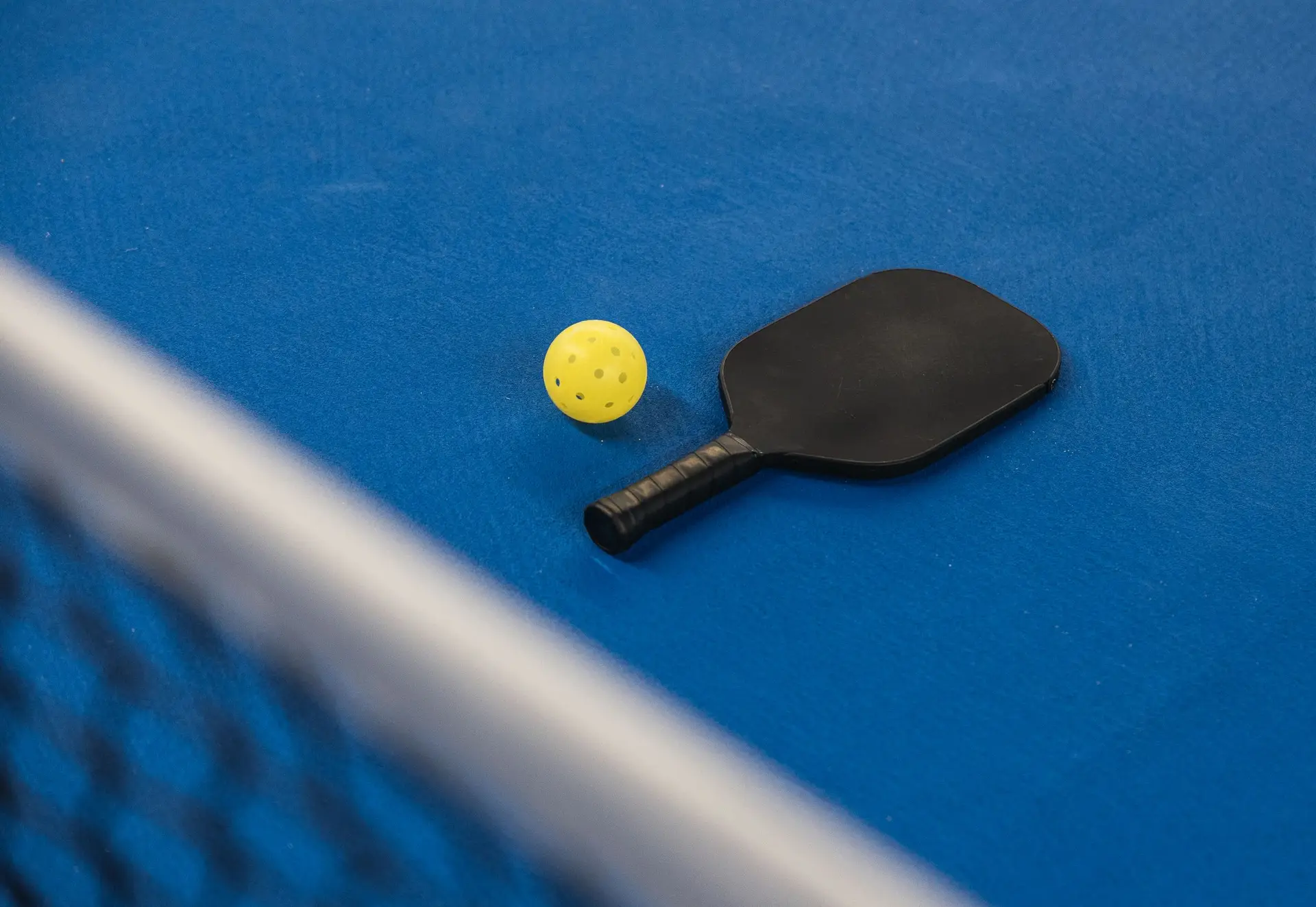
Pickleball injuries are rising. A study of U.S. emergency departments estimated that pickleball-related injuries rose 91% from 2020 to 2022 (8,894 to 16,997 a year), and hospital admissions rose 257% (992 to 3,541). Fractures were the most common type (29%), then strains and sprains (21%), and 73% of injuries were in players aged 60 to 79 (Cheng et al., Arthroscopy, Sports Medicine, and Rehabilitation). So check the serious ones first.
Swelling, a change in shape, or pain when you put weight on it after a fall can be a fracture. See a physician or urgent care first. If you hit your head, go to the ER.
A sudden pop or the feeling of being kicked in the back of the leg, especially if you can't push off, needs a medical check before anything else.
Quick swelling after a twist, a knee that catches or won't straighten, or one you can't trust to hold you: see a physician first.
The classic pickleball elbow: pain on the outside of the elbow when you grip, shake hands or lift a coffee cup. We treat it; see tennis elbow vs golfer's elbow. Numbness or tingling in the fingers, or an elbow that looks misshapen, needs a physician first.
An ache that builds with overheads, serves or reaching. Book a visit. Sudden weakness after a fall, or an arm you can't lift, needs a physician first. More on our shoulder pain page.
All that bending for low balls adds up. Usually a strain that eases as you move; see our lower back pain guide. Numbness in the groin or bladder changes: ER now.
Harvard Health suggests five minutes of marching in place, arm circles and gentle wrist and elbow movement before play (Harvard Health). Here's that, in order, plus an easy start at the kitchen line.
Gets the blood moving and the legs ready for quick steps.
Takes the shoulders through the range they'll need for serves and overheads.
The forearm muscles are the ones that grip the paddle all morning.
Rehearses the side-to-side movement before you have to do it at game speed.
Starts the paddle work gently before drives and smashes.
These are examples, not your plan. Every plan includes exercise-based rehab and a home exercise program written for you after an assessment. Stop any exercise that brings on sharp pain, numbness or tingling, and ask us first if you're not sure it suits you.
A ladder, not a calendar. Move up a rung when the one you're on feels fine during play and the next morning. If it flares, drop back one.
Walking, your home exercises, and normal daily use without the pain building.
Short, soft dinking sessions. No drives, no overheads.
Drives, volleys and footwork drills at a steady pace, still no games.
A game or two of doubles, then stop, even if you feel good.
Back to your normal sessions, with the warm-up every time.
It depends on the injury. A suspected fracture, a fall, a joint that won't move or a pop with sudden weakness belongs with a physician, an orthopedist or urgent care first. For the overuse injuries (the sore elbow, the cranky shoulder, the stiff back after a long morning), a sports chiropractor who uses exercise-based rehab is a good fit. Not sure which you need? Read back pain: doctor or chiropractor?
Visits are one-on-one and run 30 to 60 minutes. We start with a movement assessment: how you grip, swing, lunge and bend. Then hands-on treatment as needed (soft tissue work, joint mobilizations, and adjustments if you want them) and a home exercise program. Every plan includes exercise-based rehab, because the point is to get you back to playing. More on our sports injury rehab page.
Pickleball elbow is a type of tendinitis called lateral epicondylitis, in the tendons on the outer side of the elbow. Gripping a paddle tightly for long periods, using the forearm for power instead of the hips and legs, and going from occasional games to hours of daily play too quickly can all bring it on (Harvard Health). Treatment here looks at all of that, not just the elbow.
Two offices: Islandia (both doctors) and Quogue (Dr. Abby). Call or text 631-212-2996 to book.
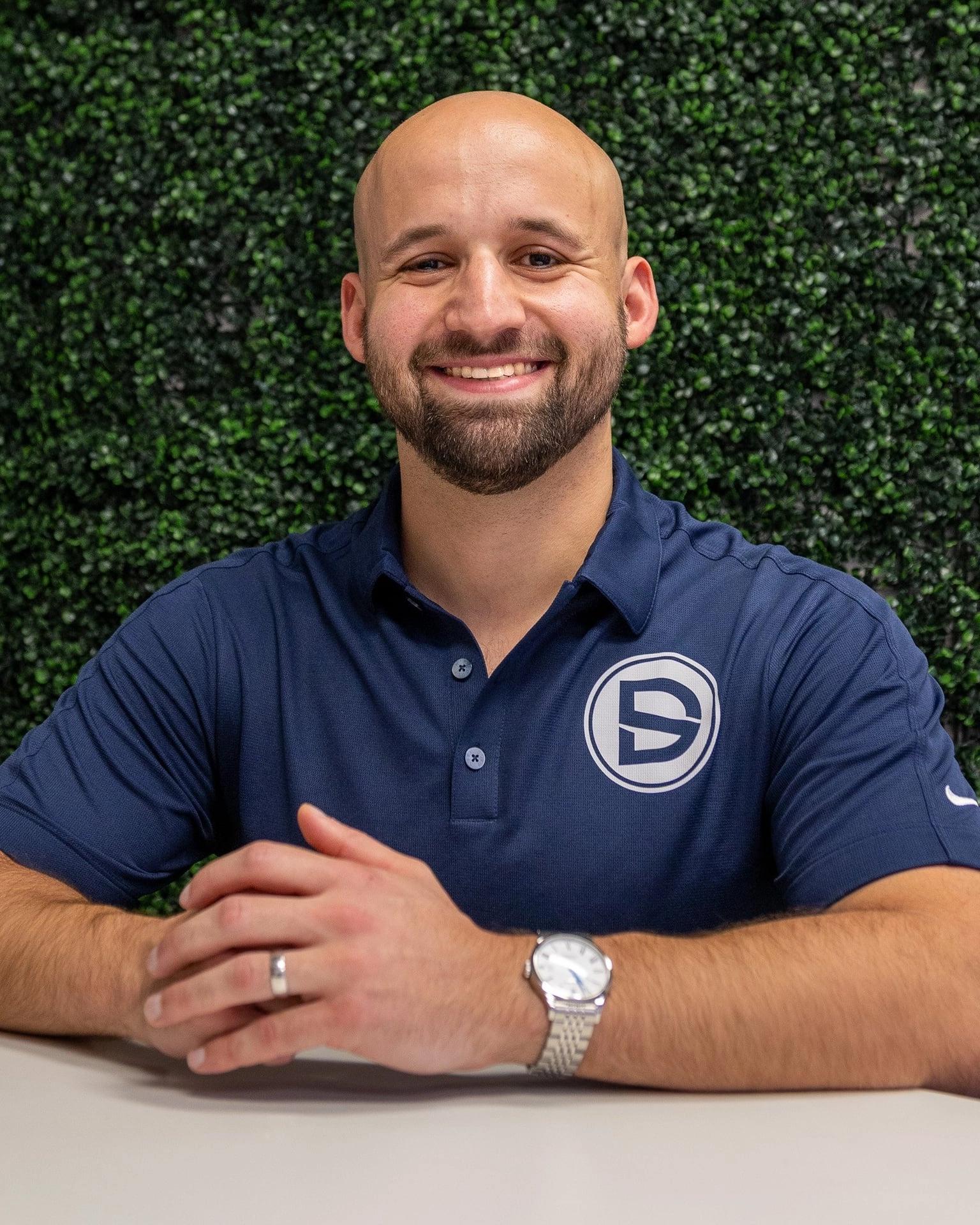
Dr. Dave is a TPI Certified, sports-focused chiropractor and an avid weightlifter who enjoys golf, pickleball and paddleboarding, so he understands the demands of an active lifestyle firsthand. He sees patients at the Islandia office.
At the Quogue office, you'll see Dr. Abby Dante, who specializes in rehabilitation, injury prevention and performance for athletes and active adults.
We won't call ourselves the best; that's for you to decide. What to look for: someone who watches you move before treating you, combines hands-on care with exercise, and has a plan for getting you back to games rather than just off the court. That's how every visit here works.
Our Islandia office is rated 5.0 on Google, and you can read what patients say on our reviews page.
We don't have an office in Commack. Our nearest office is in Islandia, on Veterans Memorial Highway, a short drive from Commack, and Commack players come to us there. Dr. Abby Dante and Dr. Dave Atlas both see patients in Islandia, and the office is open weekday evenings to 8pm and Saturday mornings. If it might be a fracture, see a physician first.
Pickleball elbow is the same pattern as tennis elbow: irritated tendons on the outside of the elbow. Treatment here starts with a look at your grip, swing and shoulder, then hands-on work on the forearm and elbow and a gradual strengthening program, plus a plan for how much to play while it settles. Our tennis elbow vs golfer's elbow guide explains the difference between the elbow injuries.
Sometimes, with changes: shorter sessions, dinking instead of full games, or skipping the shot that hurts. Pain that is sharp, builds during play, or is worse the next morning is a sign to cut back. Call or text 631-212-2996 to book.
Book in Islandia with Dr. Abby or Dr. Dave, or in Quogue with Dr. Abby. New patients can apply for a free Discovery Visit.
Photo credits: stock scenes by Mason Tuttle (Pexels). Stock photos show models, not our doctors, patients or offices. All credits.